Category: Egyéb
Generations Exhibition at Artézi Gallery
June 7, 2026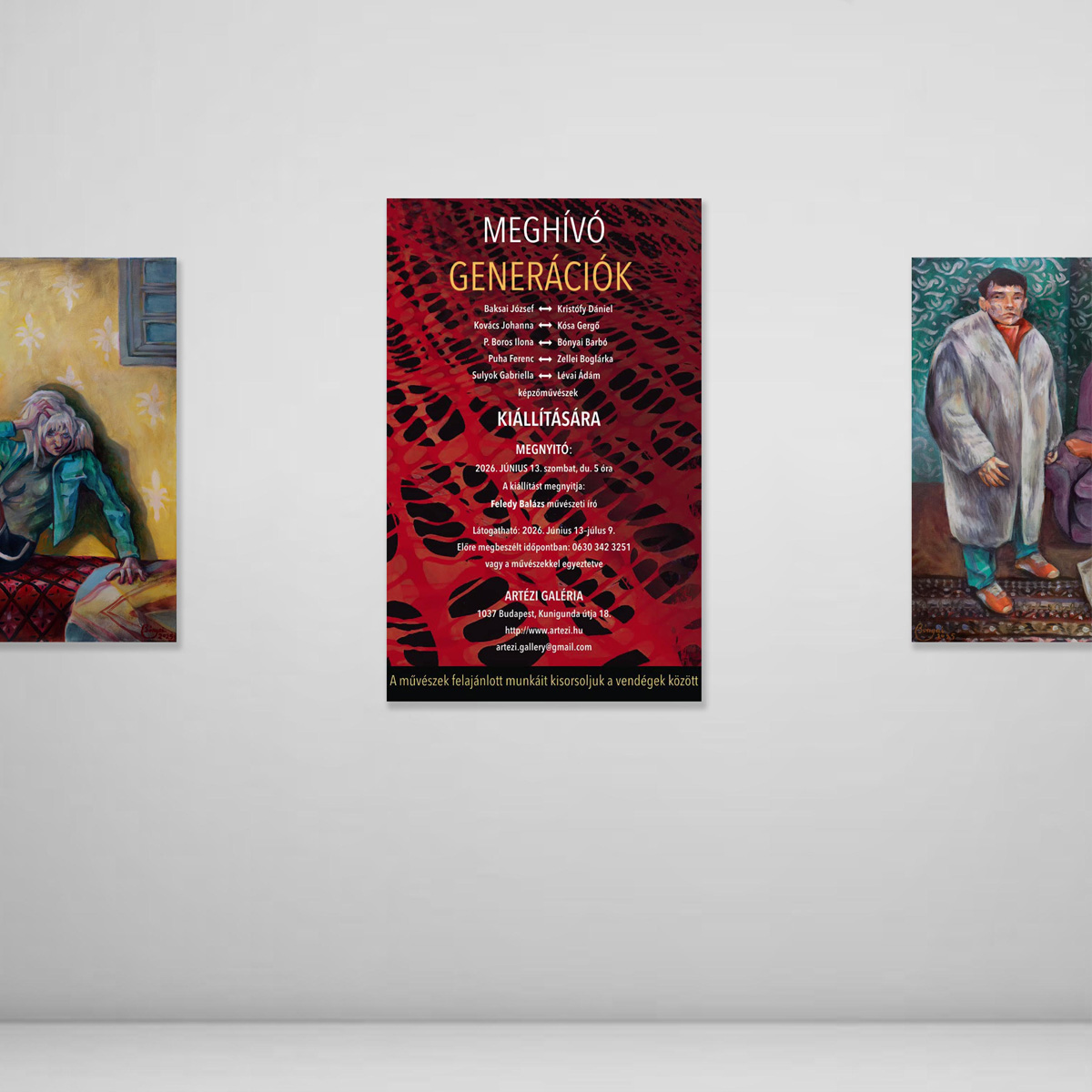
Scroll down for Hungarian / Magyar szöveg alul
Two paintings from the Comrades on the Market series at the Generations Exhibition
The first two oil paintings of the eighth phase of the ongoing portrait project Comrades on the Market / Elvtársak a Piacon are presented within the framework of the 2026 group exhibition Generations at Artézi Gallery.
For my part, the current presentation also marks a return to the Budapest exhibition space after a longer period, in the company of the works of nine fellow artists.
I participate in the exhibition upon the invitation of Ilona P. Boros as her former student. Ilona was among my primary school teachers and played an early, definitive role in shaping my artistic orientation.

Elvtársak a Piacon / Prototípus – OIL.8.NO.001, 2025. Olaj, vászon – 500x700x20 mm
The Comrades on the Market / Elvtársak a Piacon project is a continuously expanding body of work spanning from 2024 to 2026, currently consisting of 82 pieces across multiple techniques including watercolor, pastel, oil, and acrylic. It investigates the intersections of post-Soviet visual culture, online self-representation, and social marginality.
The two oil paintings presented now are the first pieces of the eighth phase of the series.
The images operate through a prototyping logic, because rather than depicting closed portraits, they display recurring, variable figure types that carry unstable and interchangeable identity patterns within the digital space.
The source material of the series originates from amateur portraits circulating on Russian online dating platforms and social media. Originally created with an intimate intent, these images often enter an ironic, memetic, or dehumanized context within the digital public sphere. The painterly transformation reconfigures this relationship, and the depicted figures simultaneously become grotesque, lyrical, and human presences.
Compared to the earlier, more fragile technical phases of the series, the current oil paintings introduce a more concentrated and material painterly language where the grotesque, everyday banality, and psychological tension are layered onto one another.
The seventh phase of the series can be seen here
József Baksai – Dániel Kristófy
Johanna Kovács – Gergő Kósa
Ilona P. Boros – Barbara Bónyai
Ferenc Puha – Boglárka Zellei
Gabriella Sulyok – Ádám Lévai
Opening:
Saturday, June 13, 2026, at 5 pm
The exhibition will be opened by Balázs Feledy art writer
Exhibition dates June 13 to July 9, 2026
By appointment at +3630 342 3251 or by arrangement with the artists
ARTÉZI GALLERY 1037 Budapest, Kunigunda útja 18

Elvtársak a Piacon / Prototípus – OIL.8.NO.002, 2025. Olaj, vászon – 500x700x20 mm
Két festmény az Elvtársak a Piacon sorozatból a Generációk kiállításon
Az Elvtársak a Piacon / Comrades on the Market című, folyamatosan bővülő portréprojekt nyolcadik szériájának első két olajfestménye a 2026-os Generációk című csoportos kiállítás keretében kerül bemutatásra az Artézi Galériában.
A mostani bemutató részemről egy hosszabb időszak utáni visszatérés is a budapesti kiállítási térbe kilenc művészkolléga műveinek társaságában.
A kiállításon P. Boros Ilona meghívására, tanítványaként veszek részt. Ilona az általános iskolai tanáraim közé tartozik, és korán meghatározó szerepet játszott művészi orientációm alakulásában.
Az Elvtársak a Piacon / Comrades on the Market projekt 2024–2026 között zajló, jelenleg 82 műből álló, több technikát (akvarell, pasztell, olaj, akril) használó festészeti sorozat, amely a posztszovjet vizuális kultúra, az online önreprezentáció és a társadalmi marginalitás metszéspontjait vizsgálja.
A most bemutatott két olajfestmény a sorozat nyolcadik szériájának első darabjai.
A képek prototipizáló logika mentén működnek, nem lezárt portrékat, hanem ismétlődő, variábilis figuratípusokat jelenítenek meg, amelyek a digitális térben instabil és cserélhető identitásmintázatokat hordoznak.
A sorozat kiindulópontját orosz online társkereső és közösségi médiafelületek amatőr portréi adják. Ezek az eredetileg intim szándékkal készült képek a digitális nyilvánosságban gyakran ironikus, memetikus vagy dehumanizált kontextusba kerülnek. A festészeti transzformáció ezt a viszonyt hangolja újra és az ábrázolt figurák egyszerre válnak groteszk, lírai és emberi jelenlétekké.
A mostani olajfestmények a sorozat korábbi, törékenyebb technikai fázisaihoz képest egy koncentráltabb, anyagszerűbb festői nyelvet vezetnek be, ahol a groteszk, a hétköznapiság és a pszichológiai feszültség egymásra rétegződik.
A sorozat hetedik szériája itt látható.
Baksai József – Kristófy Dániel
Kovács Johanna – Kósa Gergő
P. Boros Ilona – Bónyai Barbara
Puha Ferenc – Zellei Boglárka
Sulyok Gabriella – Lévai Ádám
Megnyitó:
2026. június 13. (szombat), 17:00
A kiállítást megnyitja:
Feledy Balázs művészeti író
Helyszín:
Artézi Galéria
1037 Budapest, Kunigunda útja 18.
A kiállítás 2026. július 9-ig látogatható, előre megbeszélt időpontban (0630 342 3251), vagy a művészekkel egyeztetve.

A galéria hivatalos plakátja
Comrades on the Market, seventh phase, pastel micro series
January 25, 2026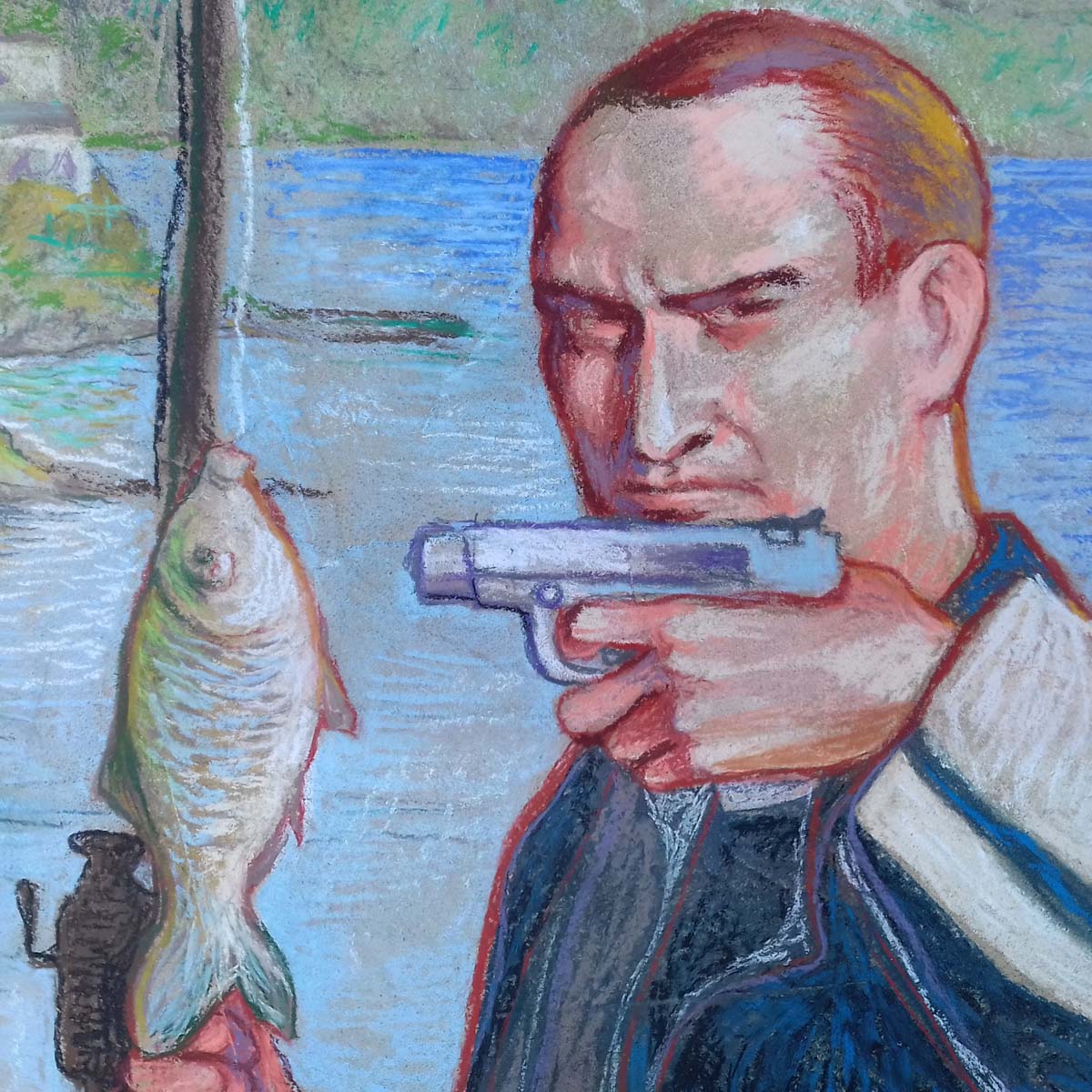
A controlled first public presentation of an ongoing painting project
Comrades on the Market / Elvtársak a Piacon is a multi phase, continuously expanding painting project that examines questions of identity at the intersections of post communist visual culture, online self representation and social marginality. The series is based on amateur portrait photographs circulating on Russian dating platforms and social media, images that often become objects of mockery, irony or memetic distortion in online public space, while originally carrying intentions of intimacy and the desire for connection.
The project does not aim to produce individual psychological portraits, it investigates types, roles and figurative prototypes, the depicted figures function as variants within broader social and visual patterns rather than as closed characters. The designation Prototype refers to the figure rather than to the image, faces and bodies become simultaneously visible and interchangeable within the digital sphere, their identities appear unstable, vulnerable and temporary.

The five pastel works presented here constitute the seventh phase of the project, forming a self contained micro series defined by a distinct technical and material approach. Executed in soft pastel on mounted, rustic paper surfaces, the fragility and porosity of the support establish a direct parallel with the uncertainty and exposure of the depicted identities. The painterly gesture is expressive, grotesque, lyrical and banal qualities converge, the images do not construct narrative scenes, they register states, moments that are intimate and uncomfortably public at the same time.

These works operate as painterly translations rather than illustrations or caricatures, they transfer figures from isolated, exposed or overstated roles within the online environment into a slower and more sensitive visual register. Humor does not dissolve tension, it coexists with loneliness, desire, aggression and the need for connection, the images move beyond irony and articulate an empathetic and critical perspective on the absurd and tragicomic experience of post communist existence.


Although the project began chronologically with earlier watercolor and drawing series, the seventh phase does not function as an intermediate chapter, it operates as a point of condensation and synthesis, where color, painterly language and the prototype logic appear in a clarified form, anticipating the direction of subsequent large scale oil and acrylic paintings.
This online presentation constitutes the first consciously controlled public appearance of the series. The works are legible as autonomous images, while remaining embedded within a longer term, exhibition oriented process, in which painting, language, symbols and social roles are layered and interwoven.
Two paintings from the eighth phase can be seen here

Contemporary Art - Closed Eyes, Open Questions
July 18, 2025
Contemporary art and the space of misunderstanding: Personal reflections on its relationship with a lay audience
For a long time, I believed the most important mission of contemporary visual art was to build a bridge between artwork and viewer—to connect, even when the viewer hadn’t studied art theory. I thought that if I framed my work sensitively and invited interpretations through form, even a lay audience could engage with conceptual, layered, and disquieting pieces.
But now I see differently.
This shift wasn’t theoretical—it emerged from my own life. My family’s repeated resistance to and dismissal of my work made it clear that not all misunderstandings are innocent. Sometimes, the viewer doesn’t withhold engagement out of confusion, but out of deliberate closure or even defensive reactions. Contemporary art calls for thinking, doubt, and self-reflection—experiences that can be uncomfortable or even frightening for those accustomed to familiar, safe forms.
My family’s example taught me that not everyone wants to understand. Not everyone wants to open. And that’s okay—but it’s no longer my responsibility.
I still meet countless people—clients, visitors, casual observers—whose only criterion for judging my work is whether it’s “pretty”. If yes, they accept it; if no, they reject it. In such cases, I realize: they aren’t reacting to me, but to their own limits. I don’t have to fight for recognition. It’s not my job to convince everyone of the validity of contemporary art.
However, this is not just an individual issue—it’s systemic. In many societies—especially in Hungary—people are never given the chance to learn the language of art. Visual education is minimal in schools, and art history has been removed from the secondary school curriculum. Yet to understand contemporary art requires not only sensitivity but also foundational knowledge, visual literacy, and critical thinking.
And that is precisely what authoritarian systems disallow. Critical thinking is dangerous—not only when confronting an art installation, but when questioning established power structures. A person who can read symbols, ask questions, and remain open is less likely to accept dominant narratives unquestioned.
That’s why I regard my work not only as artistic expression, but as a form of cultural resistance. My art is experimental, often grotesque, and always boundary-breaking. I’m not here to be liked by everyone. Truth-seeking comes at a price—and that’s the price I’ve willingly paid.
I now clearly distinguish between different kinds of work. If someone orders a decorative, aesthetically pleasing project, I gladly fulfill it—but I don’t confuse it with the work that truly belongs to me. Those commissions may allow me to build financial reserves, but my real energy always goes into the works that don’t cater, but challenge, disorient, and open new perspectives.
What once felt like a personal failure—the general audience’s closedness—now feels like a commentary on the cultural state of society, not on me. My mission isn’t to bring everyone along—but to steadfastly walk my own path. And if someone still wants to connect, they will come to me on their own terms. That connection is worth far more than a thousand polite but empty glances.
Examples of true connection—Contemporary artists who bridge the gap
While my personal experiences and the cultural context often place me before a wall of misunderstanding, I believe it’s crucial to realize that genuine connection between contemporary art and a lay audience is possible. In fact, there are artists who have reached wide audiences without sacrificing artistic complexity, autonomy, or social sensitivity. Here are some examples that inspire me:
🔹 JR (France)
Photographic public art, community participation
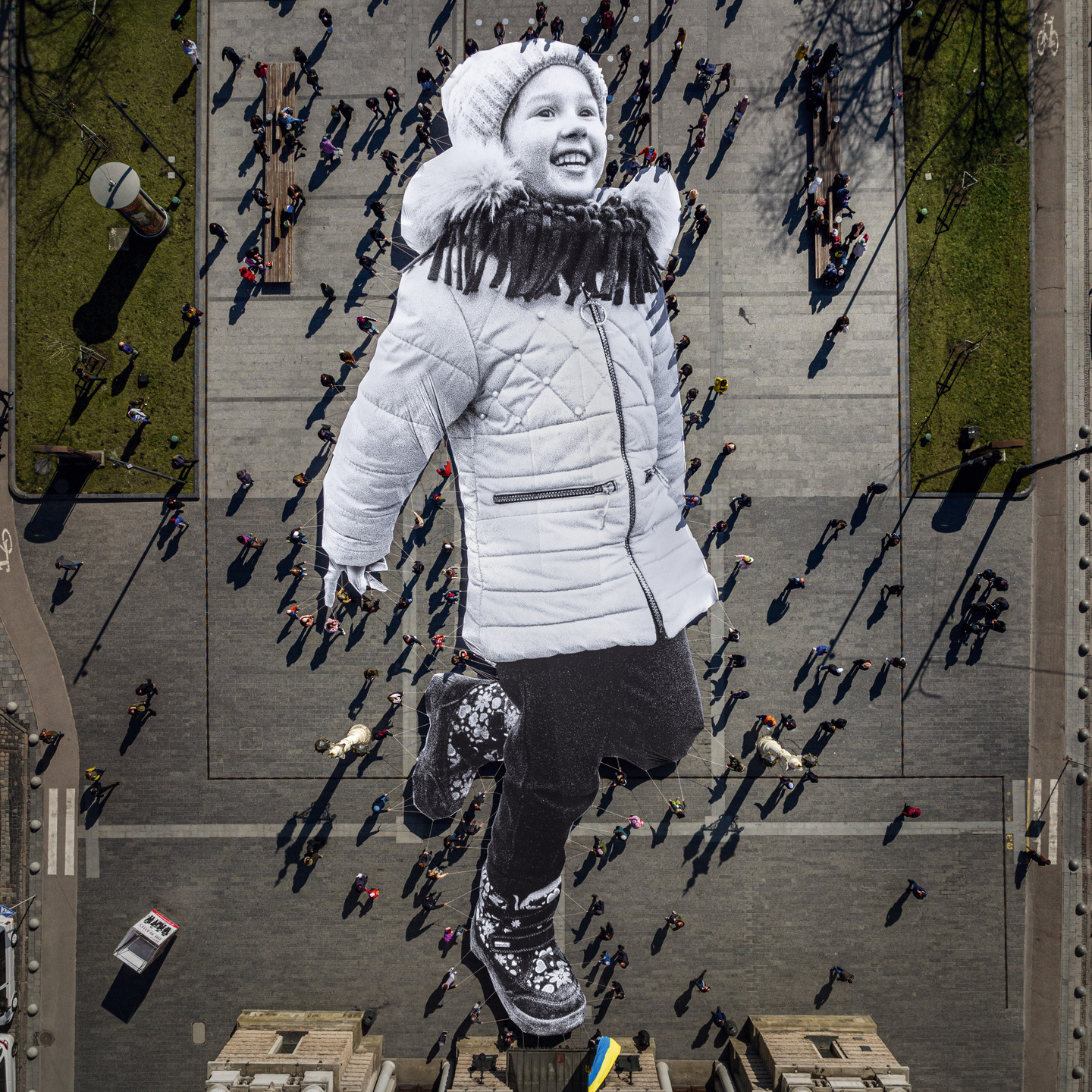
JR’s monumental black-and-white portraits appear on buildings, favelas, or border walls worldwide—frequently featuring people whose voices seldom enter public discourse. His art is not just visual but a social act: during the process, the community becomes co-creator. Thus a lay audience does not simply observe, but connects as dignified participants.
🔹 Theaster Gates (USA)
Socially engaged art, architecture, community building
In Gates’s work, bricks, music, urban decay, and human narrative all become building materials. Through projects in Chicago—libraries, cultural centers, communal spaces—his art is not an object on display but a lived experience. The lay audience isn’t passive, but a community actor whose everyday life merges with the art.
🔹 Ernesto Neto (Brazil)
Sensory sculpture, immersive installations
Neto constructs worlds from textiles, spices, scents, colors, and soft forms, inviting viewers to literally enter the work. Through touch, smell, movement, and play, an intimacy emerges where contemporary art doesn’t ask for interpretation—it demands immersion. Lay viewers understand with their bodies.
🔹 Yayoi Kusama (Japan)
Visual manifestation and psychic realms
Kusama’s infinite mirror rooms, hypnotic dot fields, and kaleidoscopic installations are at once whimsical and deeply personal. Her art visualizes anxiety, identity, and cosmic expansiveness—experiences that don’t require theoretical knowledge, only openness. And that openness is often the deepest connection.

🔹 Francis Alÿs (Belgium / Mexico)
Conceptual performance, video art
Alÿs’s works may begin with seemingly absurd gestures—a person pushing an ice cube down a street, painting soldiers’ shadows, children playing hillside games—but these simple acts reveal social and political discontinuities. Lay viewers may start by simply watching, but then they start asking. That’s where connection begins.
🔹 Banksy (UK)
Satirical street art, visual activism
Banksy’s imagery is simple yet powerful. His stencils—a masked protester throwing flowers, a girl reaching for a string of balloons—are immediately readable yet socially charged. Appearing in public spaces, gallery walls, and online platforms, his work often surprises, angers, or moves the lay viewer—eliciting responses that themselves are meaningful encounters.
🔹 Takashi Murakami (Japan)
Painting, pop-cultural iconography, cultural critique
Murakami’s loud kawaii characters and colorful motifs draw from Japanese pop culture and commercial aesthetics—but beneath that veneer lies subtle commentary on postwar identity, globalization, and consumerism. The viewer is first enchanted, then unsettled, and ultimately prompted to reflect. That layered engagement is the power of his art.
🔹 Szauder Dávid (Hungary)
Digital art, visual poetry, media art
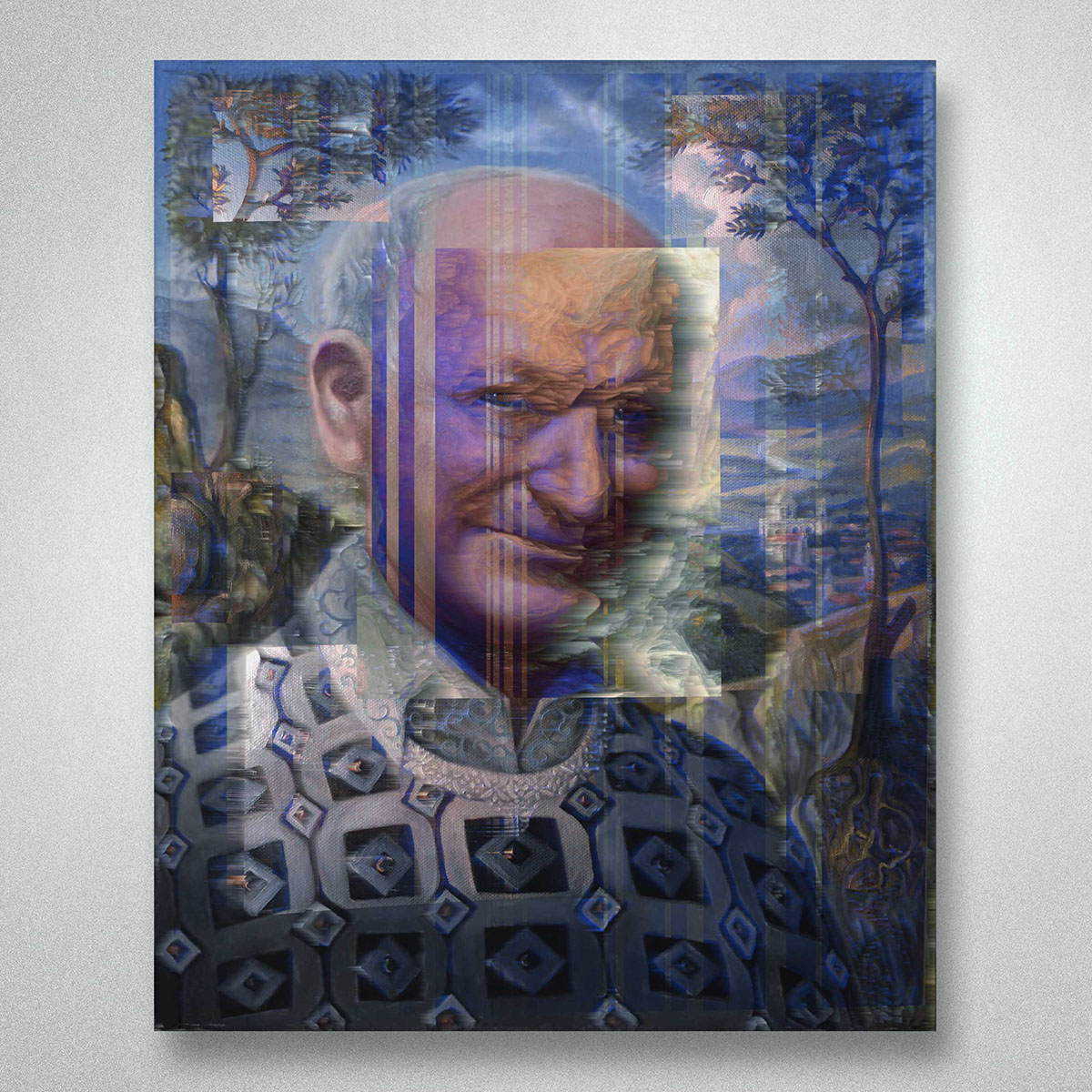
Szauder Dávid’s works inhabit the borderlands between algorithmic logic and emotional resonance. Blending written text, visual static, moving imagery, and digital soundscapes, he creates glitch‑poetic post‑digital landscapes—complex and unfamiliar, yet emotionally intuitive. His medium becomes a bridge: through digital aesthetics, he transmits poetic, human content that resonates not just with experts but with open-minded lay audiences as well.

These examples affirm for me that connection is possible—but not in every place, and not at any cost. These artists found ways to engage not by simplifying their language to match their audience, but by awakening sensory, bodily, and cultural reflexes—thus forging relationships not through explanation, but through experience.
To me, this is deeply instructive: while I no longer try to convert everyone to contemporary art, these examples reassure me that autonomous, experimental art still has impact—when it is authentic, sensitive, and unafraid to question rather than teach.
Art is the vocation of freedom
May 14, 2025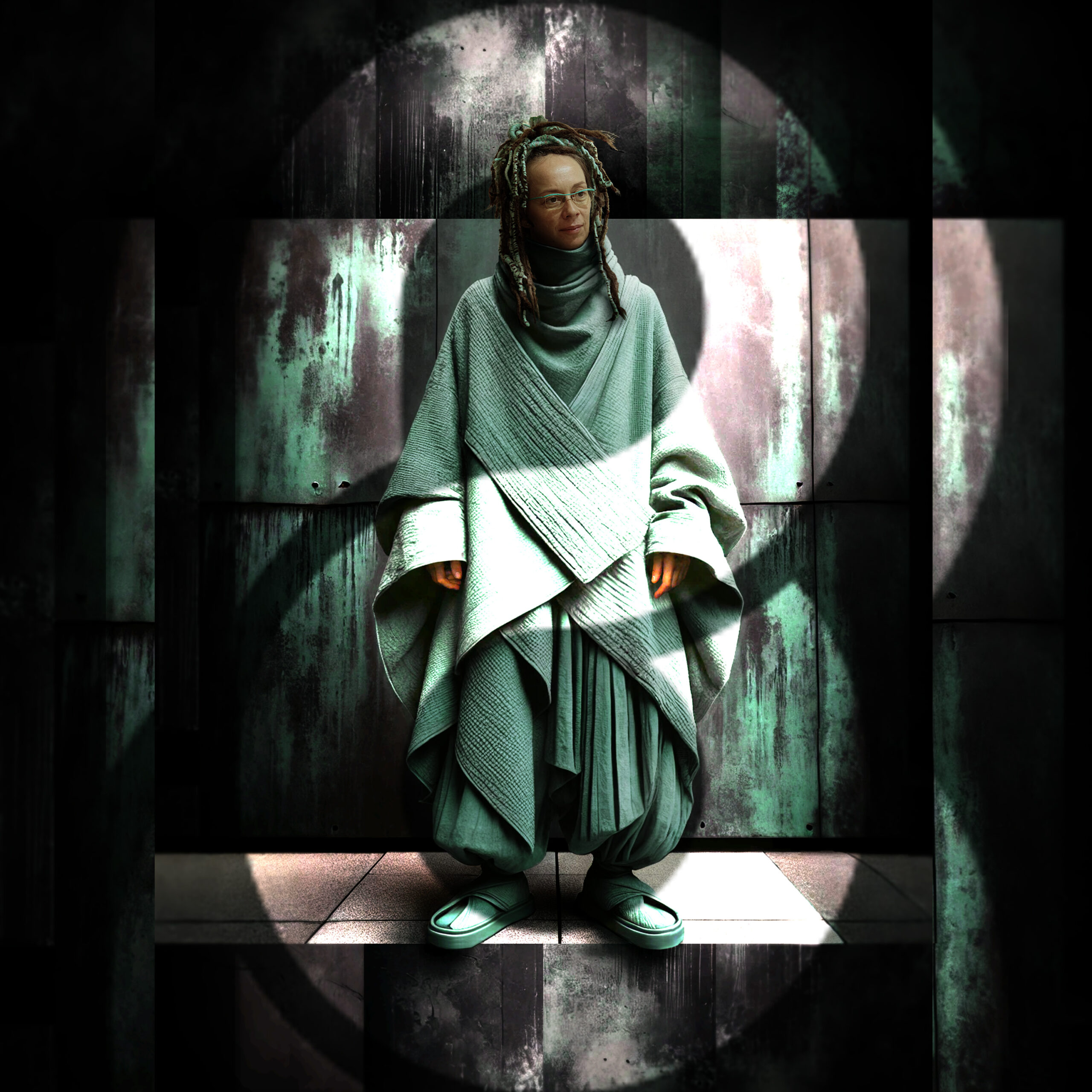
This site offers a partial digital imprint of a long and evolving artistic journey.
It is not a retrospective, nor a diary, nor a representative showcase – but rather a space where different temporalities and media converge.

Art, for me, is an existential necessity, a continuous pursuit of form and meaning within a fragmented world that oscillates between the ironic and the sacred. The aesthetics of materiality, the poetics of technical error, and the organic coexistence of classical traditions with digital layers all inform the visual language through which I explore the relationship between reality and the unconscious.
The works presented here are arranged in cycles, yet they remain in constant dialogue with one another. My intention is to create a context in which each piece may assert its own weight and atmosphere – to be encountered as a singular presence within a living constellation.
This platform will be regularly updated with new projects, reflections, videos, and fragments – all part of an active, interdisciplinary artistic practice. Not only the visual outcome, but also the processes of reflection, genesis, context, and interpretation are granted space here.
For me, art is the vocation of freedom. This site serves as a digital extension of that presence.
This site is a dynamic encounter: at the boundary between artistic traditions and contemporary art, in the ebb and flow of symbols and atmospheres. The leaping tiger – a symbol of movement, force, and resilience – embodies the essence of my work: a relentless search, a continuous passage between forms and media.
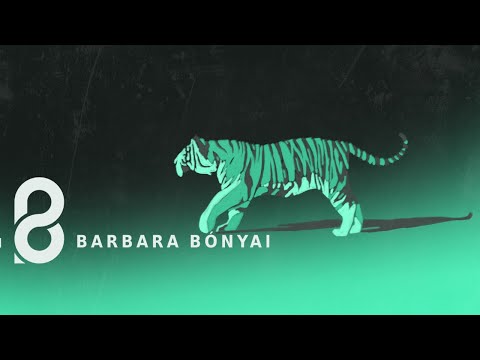 Barbara Bónyai: Tiger, 2021. Animation – 0:08