Dancing Through System Error, 2026
Title: Dancing Through System Error Project
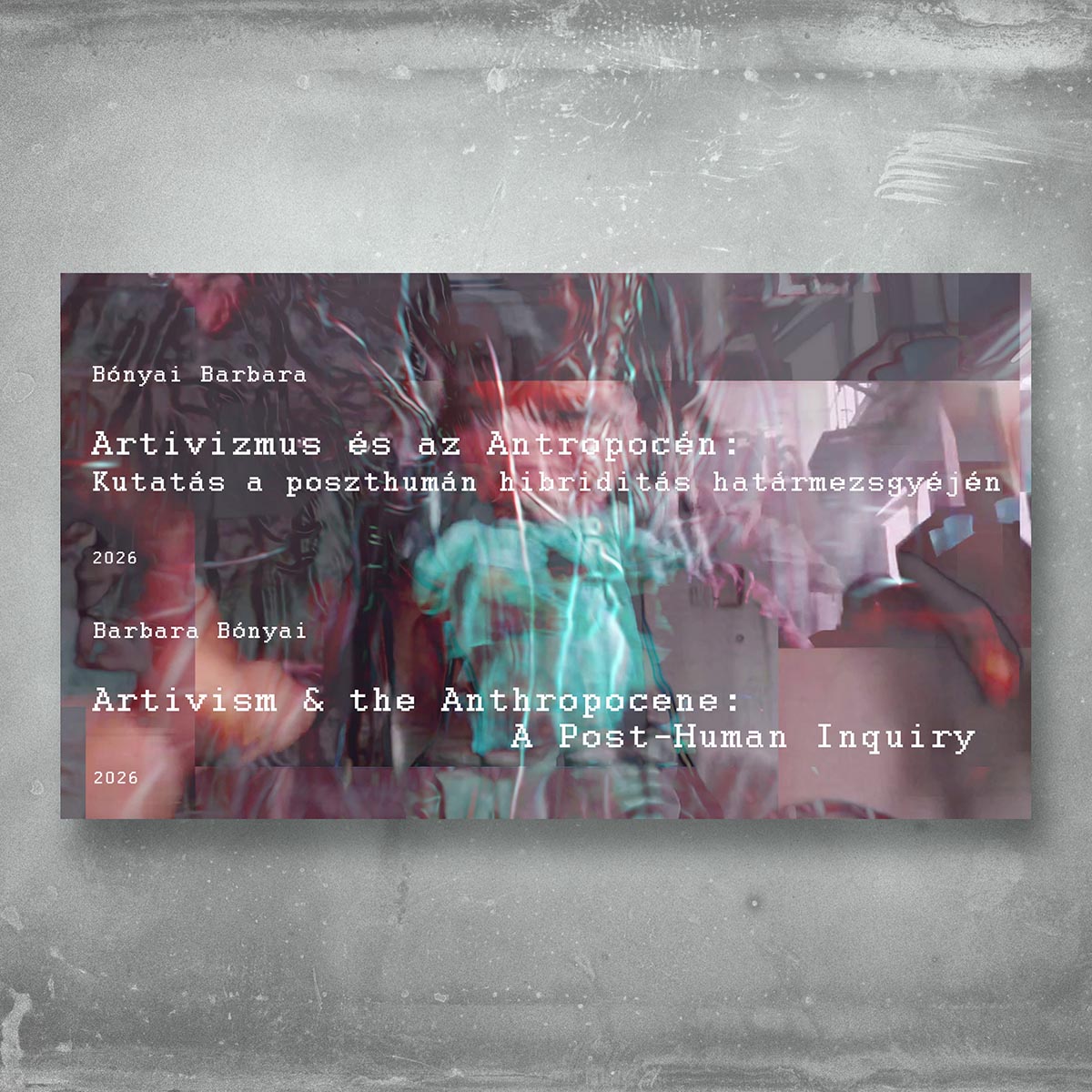
Artivism & the Anthropocene: A Post-Human Inquiry / Artivizmus és az Antropocén: Kutatás a poszthumán hibriditás határmezsgyéjén
Full HD digital video, sound, performance, manifesto-text, electronic music mix, 1920 × 1080 px, duration: 4’39”
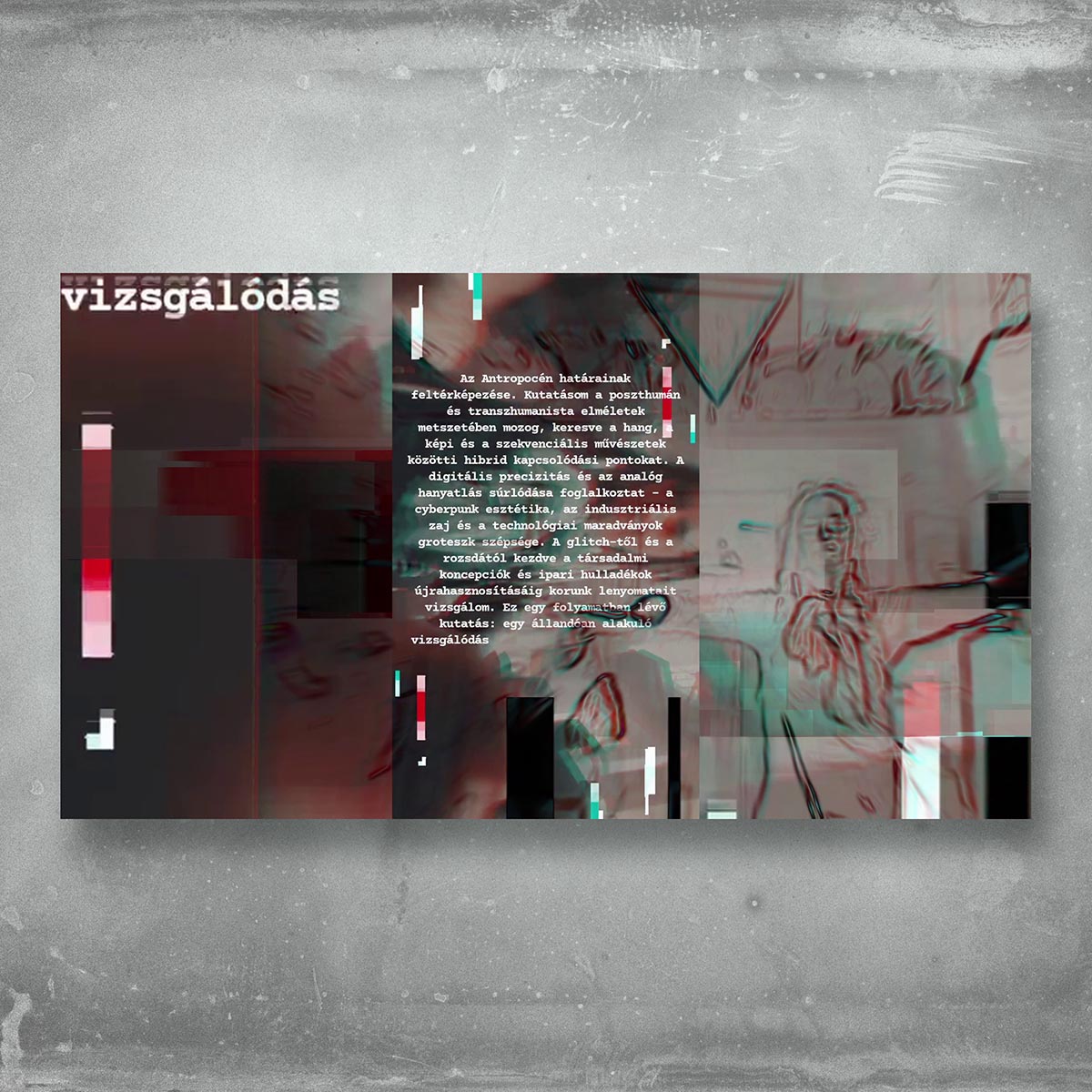
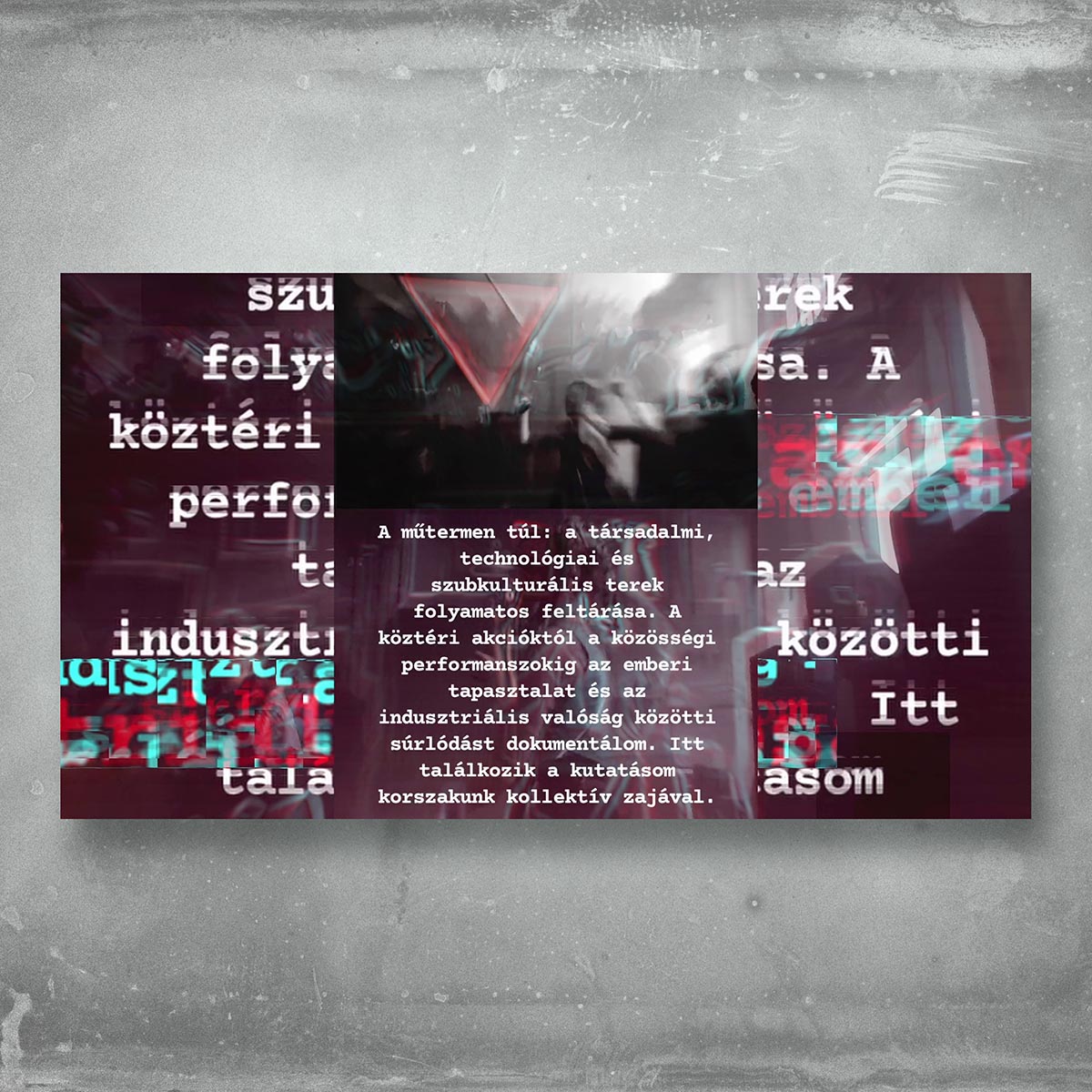
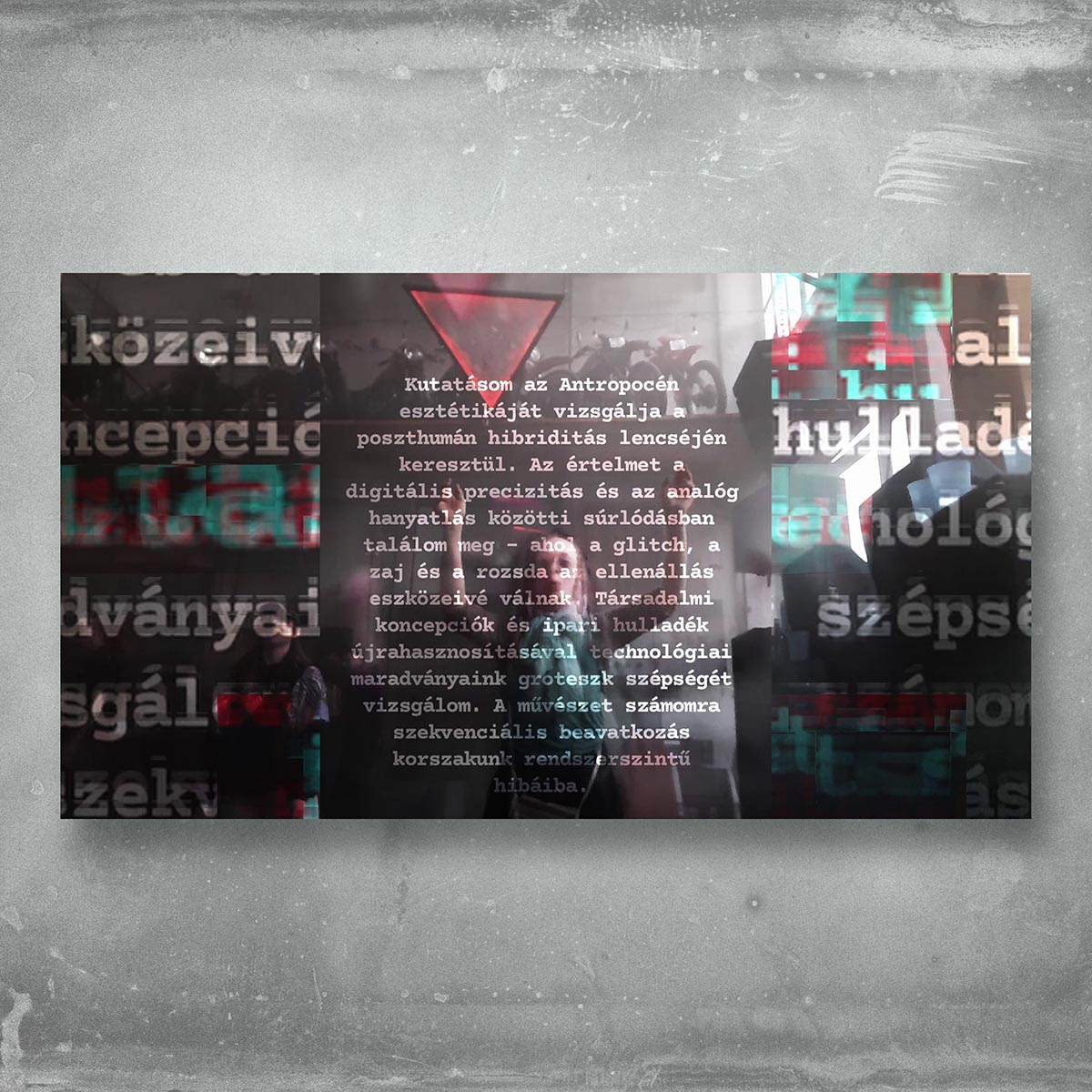
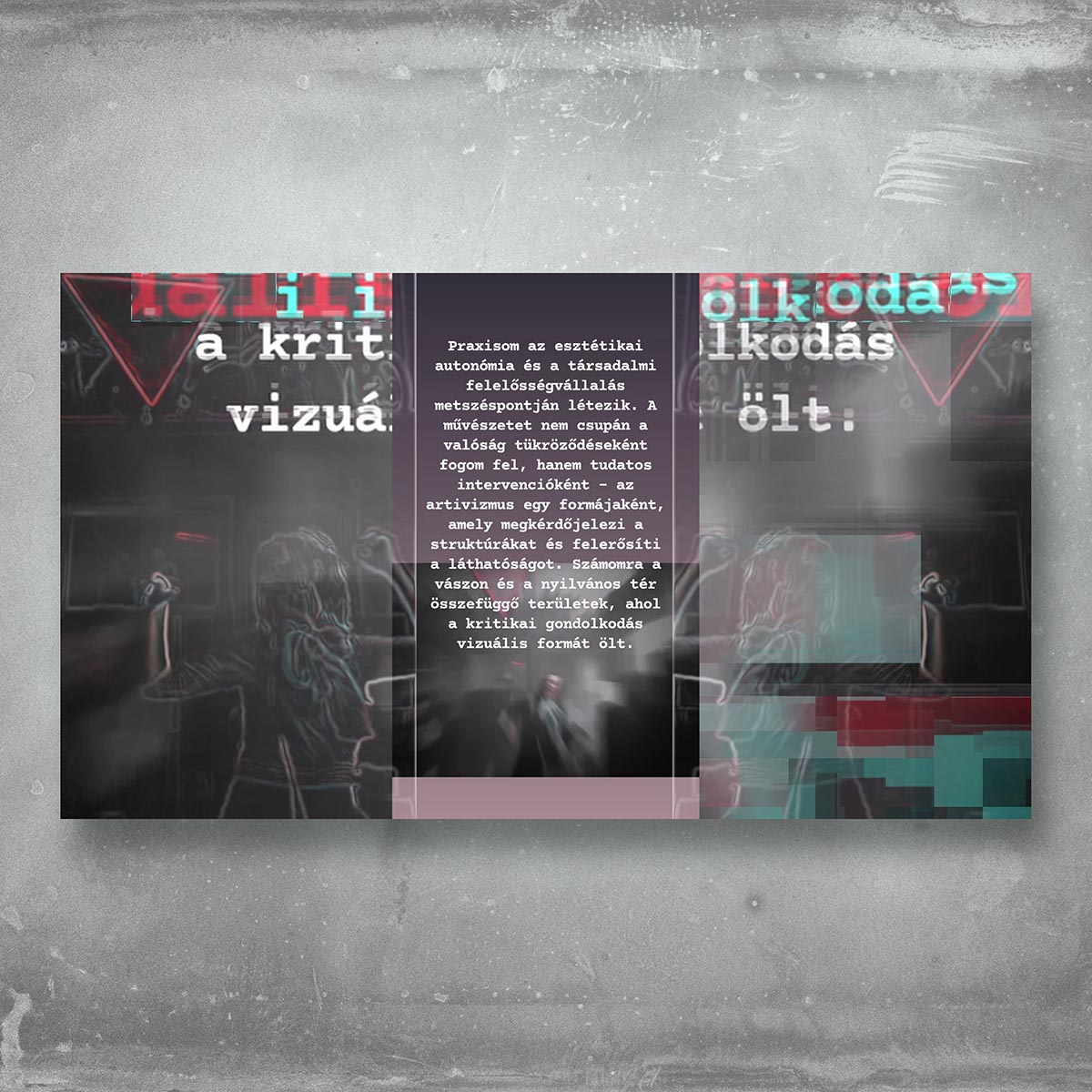
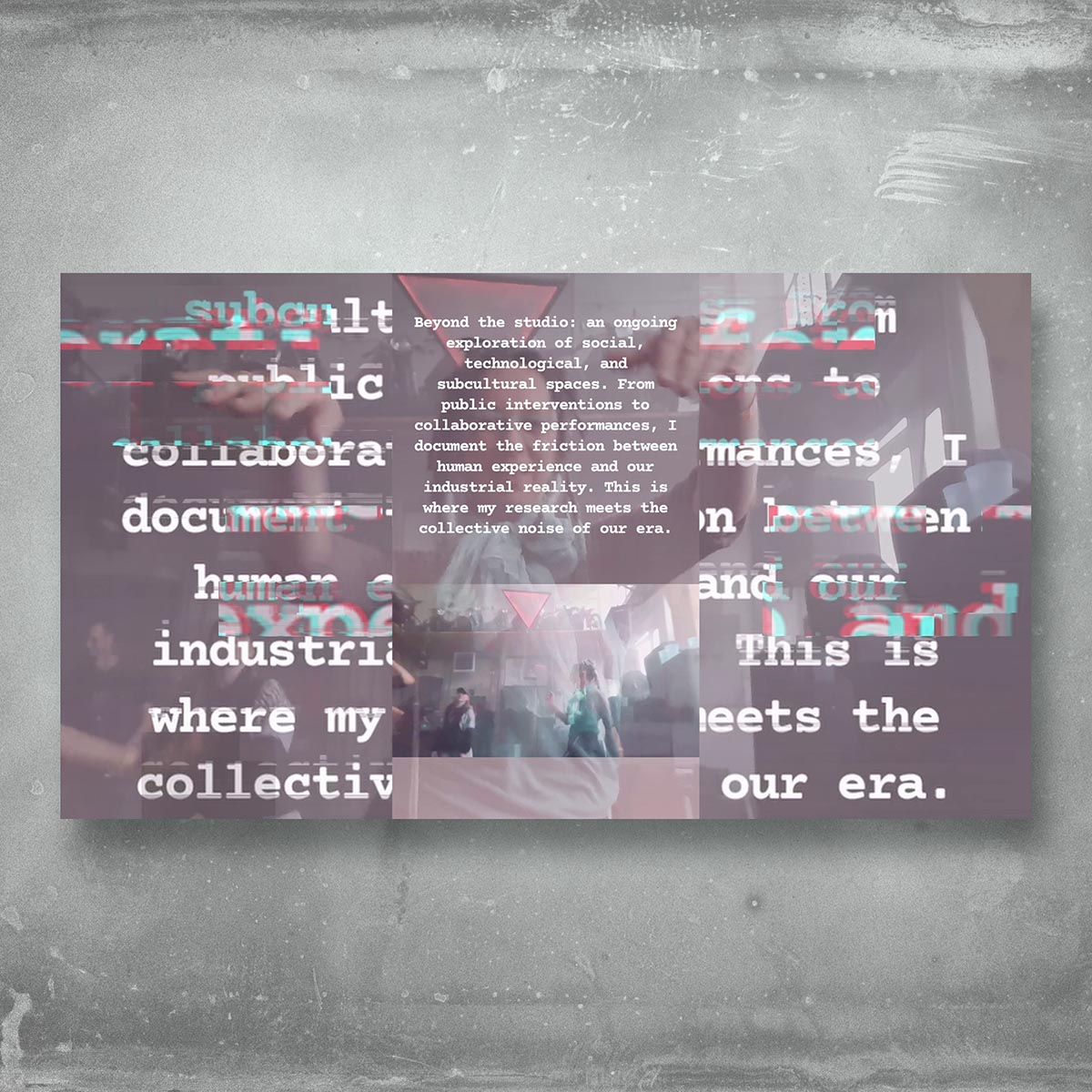
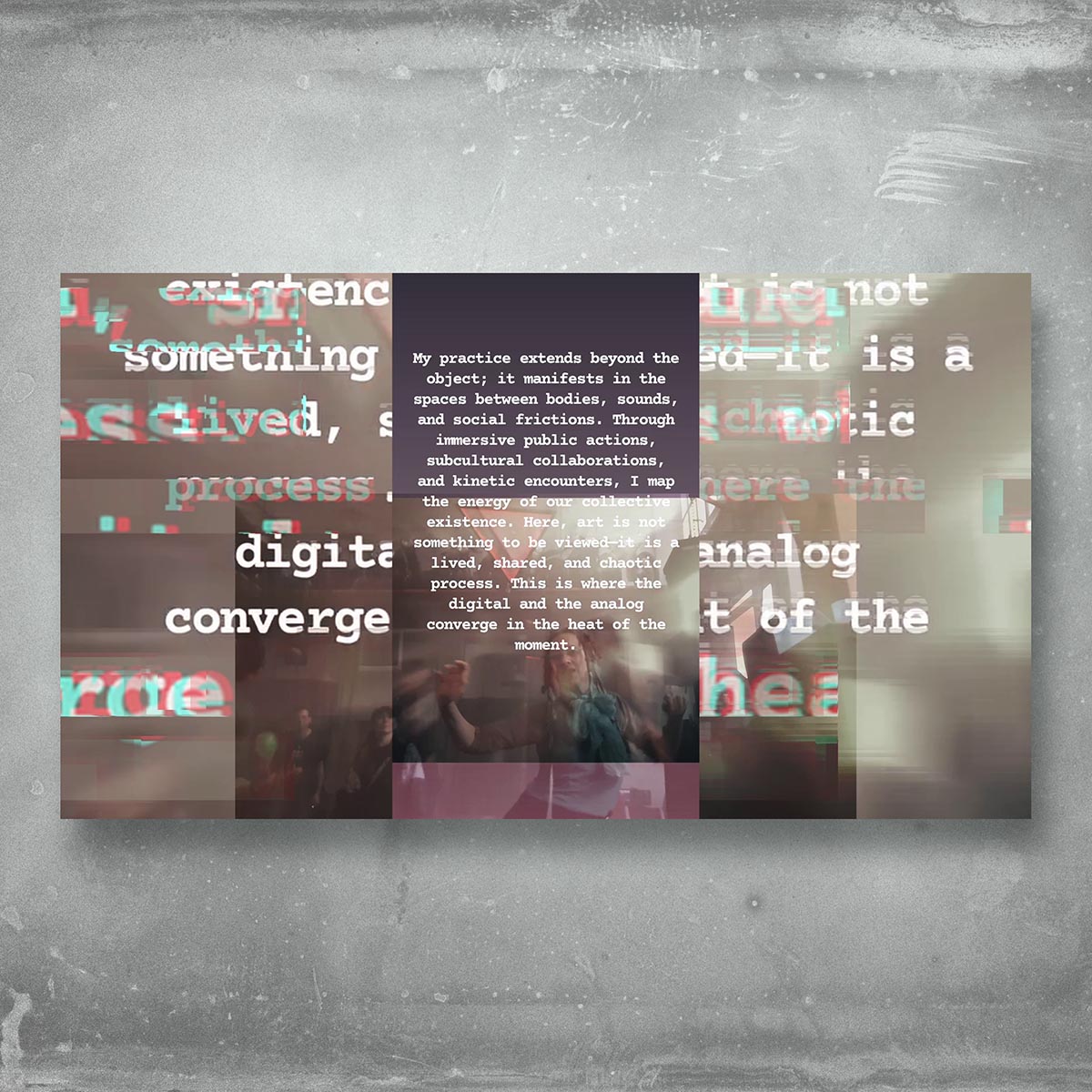
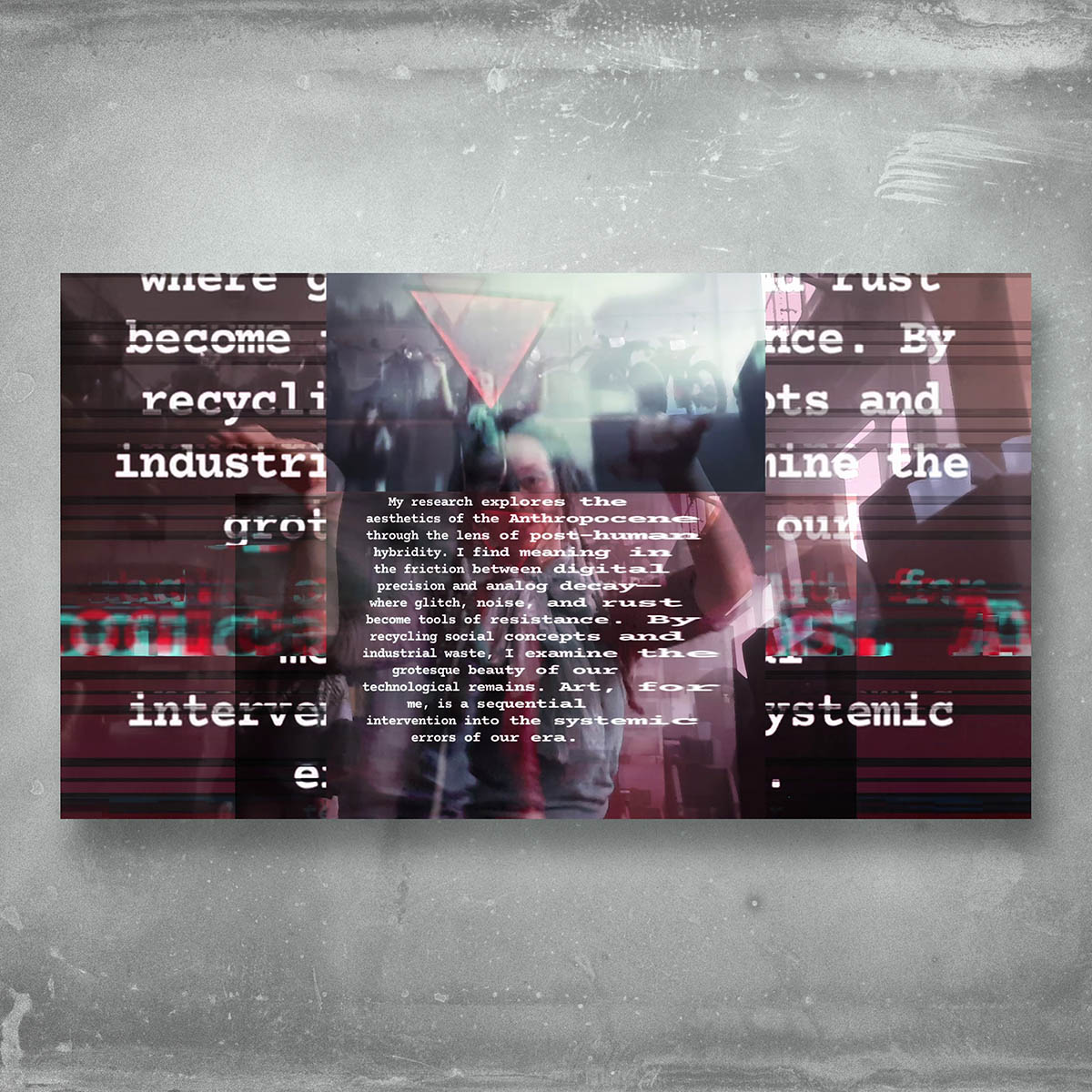
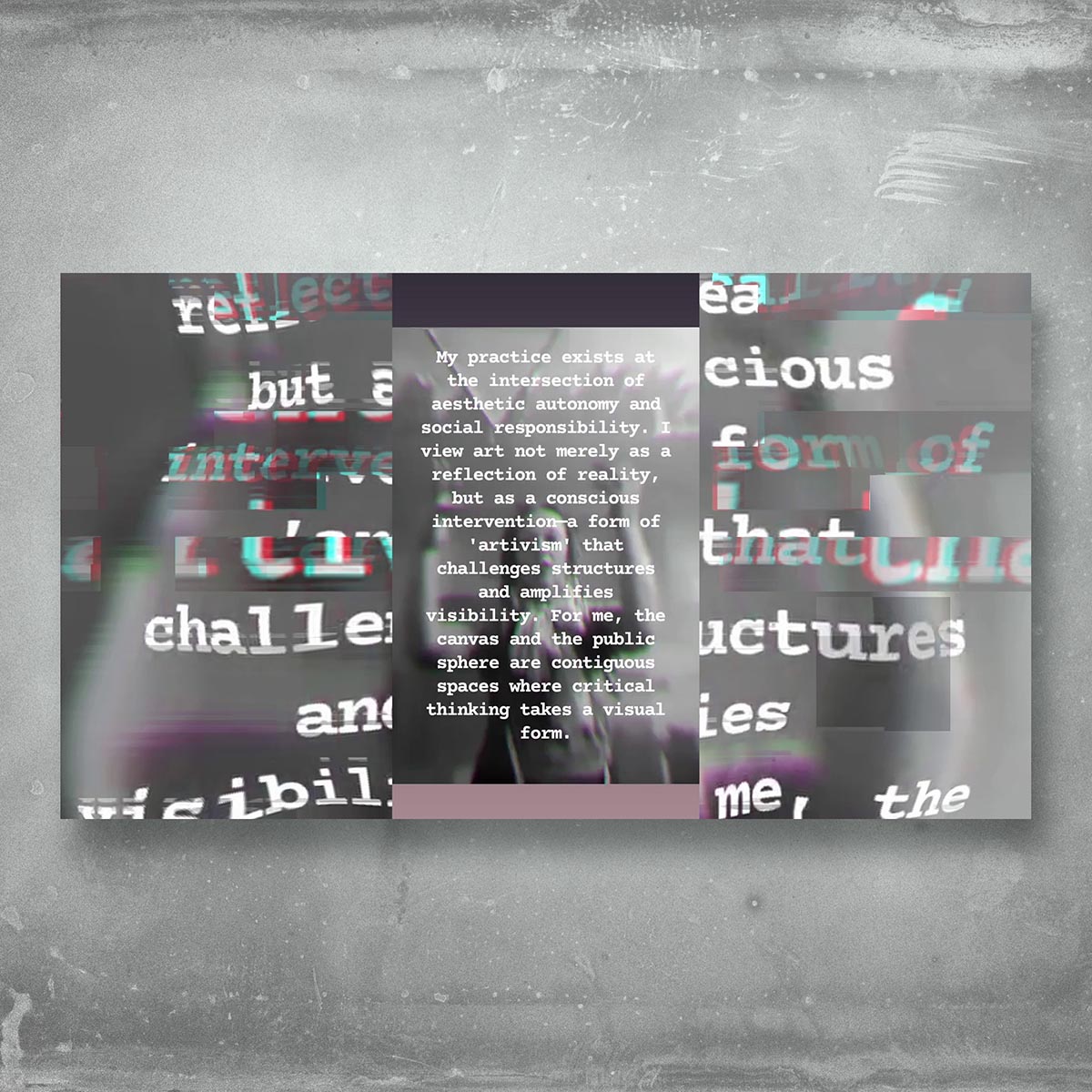
This video operates as a manifesto articulated through time based media, where text, movement, and electronic sound are fused into a single performative structure. It stages artistic practice as an active field of intervention, where the body, the image, and the sonic environment function together as agents within a shared critical space. The work asserts that art is inseparable from the social field and positions itself within a continuum that links the studio, the club, and the public sphere.
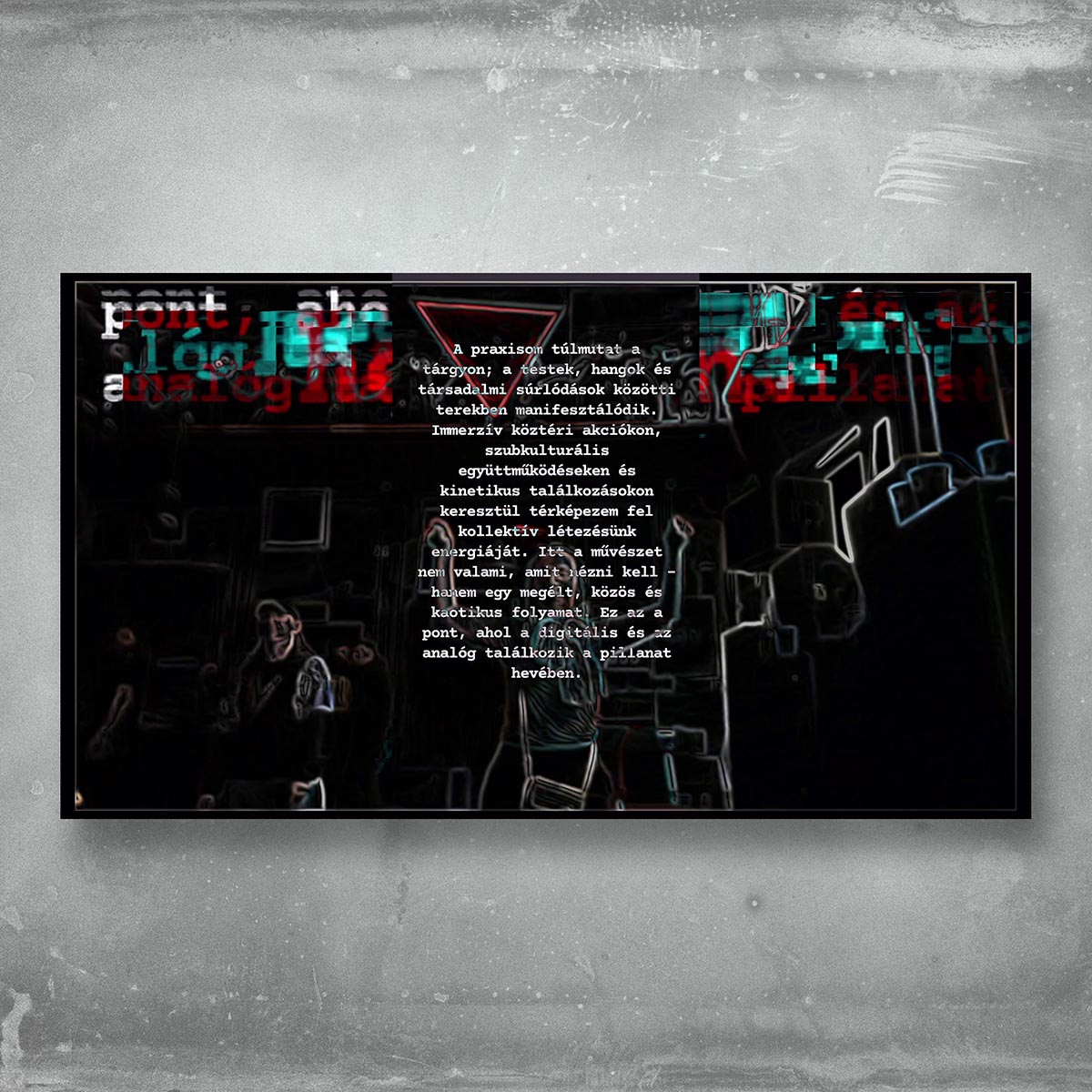
The visual layer presents a body in motion within an electronic music environment. This presence is not illustrative. It is constitutive. The dancing body becomes a site where theory is enacted rather than described. It carries the tension between control and release, between repetition and improvisation. The club context introduces a collective dimension that expands the work beyond individual authorship. It frames the body as both subject and medium, embedded in a network of rhythms, signals, and affective intensities.
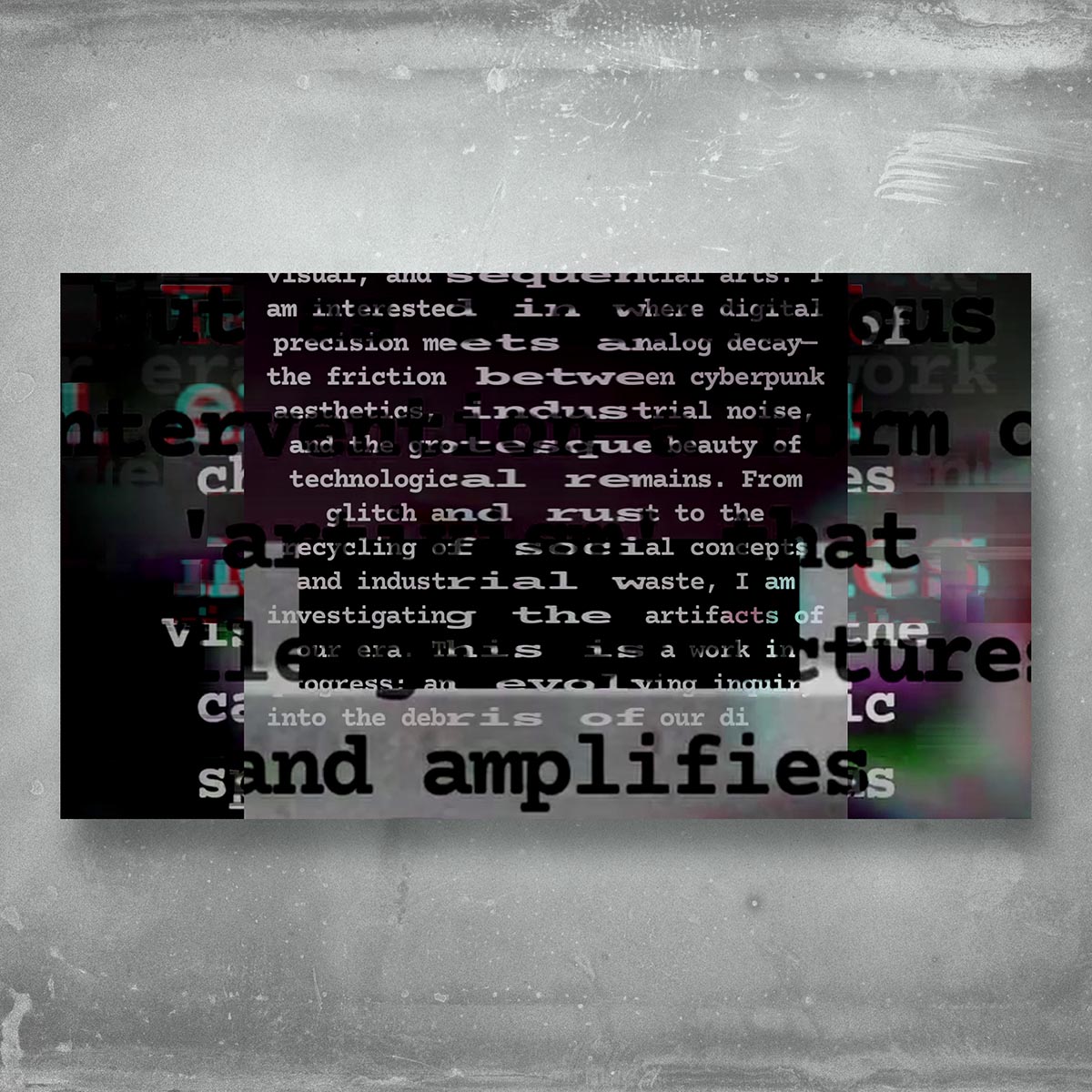
The textual component unfolds through repetition. Statements reappear in loops that echo the structures of electronic music. This repetition transforms language into a rhythmic material. Meaning is not delivered in a linear progression. It accumulates through recurrence and variation. The viewer is drawn into a temporal experience where comprehension is distributed across cycles. This strategy aligns the work with sonic practices where loops generate immersion and where subtle shifts produce perceptual change.
The sound material anchors the work within a specific cultural and historical field. The selection of tracks situates the piece in the lineage of experimental electronic music, spanning electro, glitch, IDM, breakcore, and industrial noise. Artists such as Aphex Twin, Autechre, Venetian Snares, and Dopplereffekt establish a sonic framework that is both formally rigorous and culturally charged. Their work is defined by fragmentation, high velocity sequencing, and a resistance to smooth continuity. Within this context, sound operates as a structural force. It organizes perception, dictates tempo, and produces a field of tension in which the visual and textual layers are embedded.
The inclusion of glitch oriented material and raw electronic textures reinforces the conceptual focus on the Anthropocene. Noise, distortion, and digital error are treated as aesthetic and political resources. They signal a departure from ideals of clarity and purity. They foreground the material conditions of technological systems and expose their instabilities. The friction between digital precision and analog decay becomes perceptible through both image and sound. This friction is not resolved. It is sustained as a productive state that generates meaning.
The work engages with post human and transhumanist discourse through its treatment of the body and its environment. The dancing figure is not isolated. It is entangled with signals, machines, and collective rhythms. Identity emerges as a hybrid construct shaped by technological mediation and social interaction. The body becomes a node within a larger system rather than a stable center. This position challenges anthropocentric perspectives and aligns the work with broader inquiries into the reconfiguration of human agency in a technologically saturated world.
Materiality is addressed through the conceptual framework of recycling and residue. References to industrial waste and technological remains are translated into aesthetic strategies. Visual layering, digital artifacts, and sonic abrasion evoke a landscape of debris. This landscape is not presented as a distant future. It is experienced as a present condition. The work identifies beauty within this condition without neutralizing its critical force. The grotesque emerges as a category that holds contradiction and discomfort.
The structure of the video emphasizes process over closure. The repetition of textual segments and the sequencing of sonic fragments create a sense of ongoing movement. The piece resists the idea of a definitive statement. It functions as a segment within a larger evolving practice. This openness is consistent with the declared position of art as a sequential intervention. Each loop, each beat, each movement contributes to a continuous rearticulation of the central concerns.
The convergence of club culture and critical theory is a defining aspect of the work. The club is not treated as a backdrop. It is a site of knowledge production and social intensity. It provides a framework where collective experience and individual expression intersect. By embedding theoretical language within this environment, the work disrupts conventional separations between intellectual discourse and embodied practice. It proposes a model where thinking occurs through movement, sound, and shared temporal experience.
This video establishes a coherent and forceful articulation of artistic practice within the conditions of the Anthropocene. It operates through accumulation, repetition, and friction. It situates the artist within a network of cultural, technological, and social processes. It affirms art as an active and ongoing engagement with the systemic structures that shape contemporary life.
Video in English:
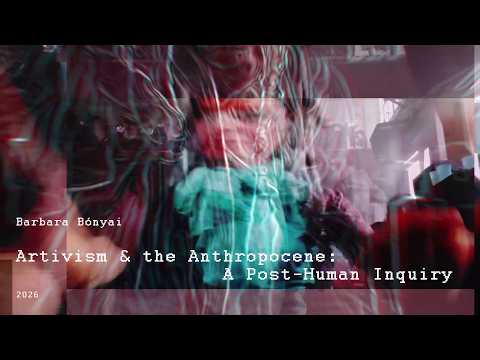 Click to watch the audiovisual work in full
Video in Hungarian:
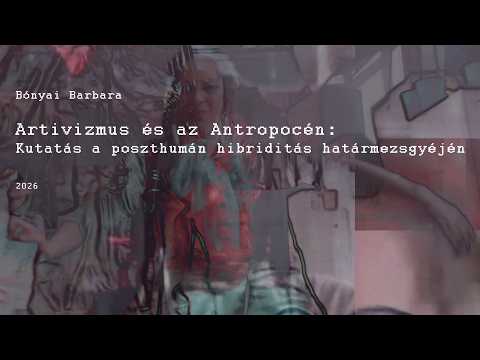 Click to watch the audiovisual work in full